


FIBC Bags
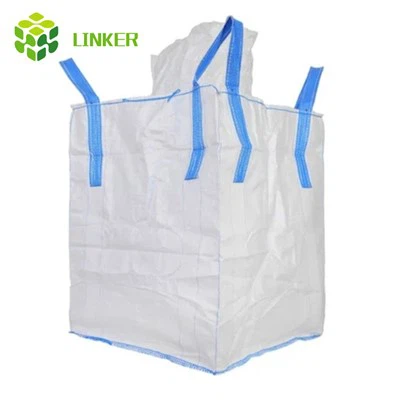
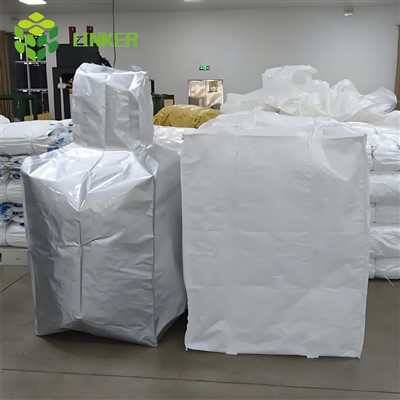
FIBC Balgs, strong enough for heayy loads.





Why choose us
Unique Features
Excellent Breathability, Ensuring the Safety of Goods.
High-strength Structure, More Reliable Loading Capacity.
Environmentally Sustainable, Reducing Comprehensive Costs.
Flexible Customization, Adapting to Diverse Needs.
Production Market
Ur products have been exported to multiple countries and regions worldwide, including:
India, Indonesia, Vietnam, Japan, South Korea, etc.Germany, France, Italy, Spain, etc.United States, Canada, Brazil, Argentina, etc.
Service Advantages
We have an experienced sales team that can provide professional products according to your needs.We support customization on demand. You can provide us with samples or drawings, and we will arrange production according to your requirements.24-hour online service, timely and fast quotation for you.

FIBC bags, also referred to as big bags, super sacks, or jumbo bags, are large containers crafted from woven polypropylene fabric or other durable materials. They come in various sizes and configurations to accommodate different types of materials, ranging from fine powders to granular substances and even hazardous chemicals. The construction of FIBC bags typically includes lifting loops or straps for easy handling using forklifts or cranes, as well as features like spouts, baffles, and liners to optimize functionality based on specific requirements.
|
Product name |
Universal FIBC |
|
Material type |
100% pp virgin or lamination fabric |
|
Construction |
4-panel/U-panel/circular/Tubular/rectangular shape ton Jumbo Bag |
|
Fabric weight |
140gsm/160gsm/180gsm/200gsm/240gsm |
|
Fabic |
Laminated/plain/vent |
|
Loops |
2 Or 4 belts,cross corner loop/Double stevedore loop/Side-seam loop |
|
Ropes |
1 or 2 around the bag body. or customized |
|
Regular size |
85*85*90cm/90*90*100cm/95*95*110cm or customized |
|
Top |
Top full open/Filling spout/ skirt cover |
|
Bottom |
Flat bottom/discharge spout |
|
Load capacity |
300 kg-3000kg |
|
Safe factor |
3:1/5:1/6:1 or customized |
|
Color |
White, yellow or under customers' requirements |
|
Packing detail |
25pcs/bundle(bale),200 pieces per pallet or under customers' requirements |
|
Inside liner |
Form-fit liner / tubular liner/ AL liner/ vcl liner/under customers' reguirements |
|
Sewing |
Plain/chain/chain lock with optional soft-proof |
|
Printing |
Can be customized ton Jumbo Bag |
|
Industrial use |
For packing cement, sand, mine, ore, fertilizer, chemical, potato & onion,grain (wheat, maize, rice, peanut, etc.), sugar & salt, agriculture, construction material, powder, and so on |
|
Characteristics |
Breathable and airy, anti-static, conductive, UV stabilization, reinforcement, dust-proof, moisture-proof |
|
Document pouch |
Yes/No |
|
Trade Term |
CIF, CRF, FOB or other |
|
Payment Term |
T/T (30% of total amount deposit and 70% against B/L copy), L/C at sight |
|
Delivery time |
Within 15-20 days after receipt of your advanced payment |
Key Features
Material
Woven polypropylene, which offers durability, flexibility, and resistance to chemicals and UV radiation.
Capacity
Can handle significant weights and volumes, making them suitable for large-scale operations.
Reusable Options
Some FIBCs are designed for single use, while others can be reused multiple times if properly maintained.
Customization
Available in various shapes, sizes, and types to meet specific industry needs.

Advantages of FIBC Bags
FIBC bags offer cost savings compared to traditional packaging methods due to their reusable nature and ability to transport large volumes of materials in a single container. Their lightweight design also reduces shipping costs and fuel consumption.
Optimizing storage space by eliminating the need for bulky containers or pallets. FIBC bags flexible structure allows them to be stacked and stored efficiently, maximizing warehouse capacity and reducing storage footprint.
Jumbo Bags or Bulk Bags or FIBC bags are versatile packaging solutions that can accommodate a wide range of materials, including dry powders, granules, liquids, and hazardous substances. They can be customized with various features to suit specific applications and handling requirements.
Contributing to environmental sustainability by reducing packaging waste and promoting reusable packaging solutions. FIBC bags durable construction and ability to withstand multiple uses minimize the consumption of single-use packaging materials.
These bulk bags are designed to meet stringent safety and regulatory standards, ensuring the safe handling and transportation of materials. Features such as liners, UV protection, and static dissipation enhance product integrity and compliance with industry requirements.
Types of FIBC Bags
Circular
This is considered the lowest standard of bulk bags. They are made on the loom as a tube and will not maintain its shape when loaded. It tends to bulge out in the middle when weight is applied, and the product will stretch the fabric when under pressure.
U-Panel
This is one step up from the circular bag and it is made when two pieces of fabric that resemble a U shape are sewn together and make the bag. It maintains a square shape when loaded.
Four-Panel
This bag is made up of four pieces of fabric that make up the sides and one for the bottom. They are all sewn together and are made to resist some stretching and hold the cube shape much better than other types.
Baffle
This bag is the best at keeping the cube shape of your product when it is loaded. The reason why is it has additional baffles sewn into each corner to help the bag keep its shape. These bags are the easiest to stack.
Applications of FIBC Bags
Agriculture
In the agricultural sector, FIBC bags play a crucial role in the storage and transportation of crops such as grains, seeds, and fertilizers. Their large capacity and robust construction make them ideal for bulk handling, facilitating efficient logistics in farm operations.
Construction
FIBC bags are extensively used in the construction industry for transporting and storing construction materials like sand, gravel, and cement. Their ability to withstand heavy loads and harsh environments makes them indispensable for construction projects of all scales.
Chemicals and Pharmaceuticals
FIBC bags are preferred for handling and transporting bulk quantities of chemicals and pharmaceutical products. They can be equipped with liners and anti-static features to ensure the safe containment and transportation of hazardous materials.
Food and Beverages
In the food and beverage industry, FIBC bags are utilized for storing and transporting ingredients such as sugar, flour, and powdered additives. Their hygienic design and compliance with food safety standards make them suitable for sensitive food applications.
Waste Management
FIBC bags find applications in waste management and recycling operations for collecting and transporting recyclable materials like plastics, paper, and metal scraps. Their large capacity and durability streamline waste handling processes while minimizing environmental impact.
FIBC bulk bags are filled with products and lifted using loops or straps integrated into their design. They are often used with forklifts or cranes for easy handling and transportation.
Filling and Discharging:
☆Filling: Bags can be filled manually or with automated equipment. Spouts, duffle tops, or open tops allow for efficient filling.
☆Discharging: Discharge spouts, flat bottoms, or full open bottoms facilitate controlled emptying of contents.

Step-by-Step FIBC Bags Manufacturing Process
Extrusion – Creating the Base Material
The process starts with melting polypropylene resin, which is mixed with UV stabilizers and other additives. The molten resin is stretched into thin fibc fabric tapes, which serve as the raw material for weaving.
Weaving – Creating the Fabric Structure
These PP tapes are loaded onto circular or flat looms to weave fibc fabric, creating strong, flexible material for bulk bag construction. The density of weaving determines the bag’s strength and weight-bearing capacity.
Coating & Lamination – Enhancing Durability
If moisture resistance is required, fibc liners or laminated layers are added. This step ensures that the bag can store dry products like powders, grains, and chemicals without contamination.
Cutting – Shaping the Bags
Large rolls of woven fabric are precision-cut into panels that match specific fibc bag dimensions. This ensures consistency in size, shape, and load capacity.
Printing – Branding & Product Information
Using advanced flexographic printing, company logos, handling instructions, and safety information are printed directly onto the fibc jumbo bags.
Webbing – Producing Lifting Loops
The lifting loops are made using strong polypropylene fibers, woven tightly to handle the weight capacity of the bag. These loops are attached at various points, depending on the bag type:
Single loop FIBC – One lifting point, often used for agricultural products.
Four-loop FIBC – Standard design for heavy-duty materials.
Sewing & Assembly – Constructing the Bag
Workers stitch together the fabric panels, loops, and liners using industrial sewing machines. Each bag is assembled according to fibc bag specifications, ensuring it meets load-bearing and durability requirements.
Quality Inspection & Load Testing
Every fibc jumbo bag manufacturing company must adhere to strict quality control:
Seam Strength Test: Ensures secure stitching integrity.
Burst Testing: Ensures the bag can withstand the Safe Working Load (SWL).
UV Resistance Test: Measures long-term exposure durability.
Drop Testing: Confirms impact resistance during transportation.
Packing & Baling – Preparing for Shipment
The completed bags are compressed and packed into bales for easy shipping. A standard bale may contain 50-500 bags, depending on size and type.
Storage & Delivery – Ready for Use
Once packaged, the FIBC bags are stored in warehouses or shipped to industries worldwide. Companies like XIFA Group supply bulk bags to sectors like food-grade packaging, construction, and industrial manufacturing.
Custom made
Our experts specialize in providing top-tier packaging solutions tailored to your unique requirements. Whether you’re looking for flexible packaging, custom-made bags, or durable industrial solutions, we’ve got you covered. Our extensive range of high-quality plastic bags ensures optimal protection and presentation for your products.
How to Choose the Right FIBC Bulk Bag
Type of Product
Match the bag type with the product’s properties (e.g., weight, sensitivity to moisture or static).
Volume and Capacity
Ensure the bag’s size and weight capacity meet your requirements.
Regulatory Compliance
For food or hazardous materials, select bags certified for specific standards.
Environment
Consider anti-static or conductive bags for flammable or sensitive environments.